
"dry method"
20000 article(s) found

Coffee bean washing method
When you buy coffee beans, you can always hear words such as washing in the sun, half-washing in the sun, half-day honey treatment and so on. Let's talk today about the difference between washing and sun-drying beans. What effect does it have on the flavor of coffee beans? The coffee beans after harvest must enter the treatment program immediately, otherwise they will begin to ferment, making the coffee beans have a bad smell. The method of treatment is the method of sunlight.

Processing raw coffee and raw beans are generally washed and dried.
Raw beans generally use washing and drying methods, both of which can produce high quality raw beans. First, washing method: generally speaking, there will be more distinct acidity and more consistent flavor. In the process of washing, the pulp is immediately separated from the raw bean, rather than drying it. The steps are as follows: 1. Selection: put the fruit in the sink and let stand for about 24 hours. Mature and immature due to

Different classification and recognition of Costa Rican honey treated with honey
Exchange of professional baristas Please pay attention to the coffee workshop (Wechat official account cafe_style) the honey handling method in Costa Rica is an improved peeling and tanning method from Brazil. Honey treatment process: after picking the red fruit, remove the peel and part of the pectin, directly spread the sticky shell beans on the African elevated net bed with excellent drying effect, turn the shell beans every few hours to make the coffee beans uniform.
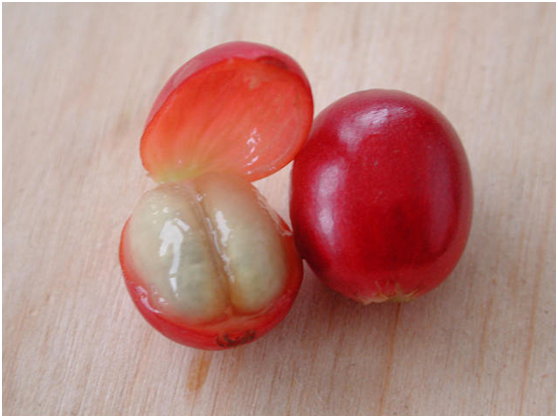
Coffee refining-a common method for the treatment of fine coffee beans
[introduction] there are a pair of oval seeds in the center of the fruit of the coffee tree, which are covered with exocarp, endocarp and pulp. Ripe fruit will rot in a short period of time without treatment, so the purpose of refining is to enable coffee beans to be preserved for a long time, easy to store and circulate. Figure (1) Coffee tree has a pair of oval seeds in the center of the fruit, which are covered by exocarp, endocarp and pulp.

How to describe the flavor of Colombian sun-dried coffee beans? introduction to varieties
How do Colombian sun-cured coffee beans describe the taste Tolima is adjacent to huila and cauca and is an area where many coffee-producing pilgrims need to make up their minds. The road conditions here are not very ideal, and some of the talented people who have visited tolima all describe the bumps and hardships on the way to the car shop in their travels. On the whole, the farm in Tolima is better than other brothers.

Coffee honey treatment video _ coffee bean honey treatment suitable for brewing coffee _ honey treatment coffee price
Professional coffee knowledge exchange more information about coffee beans Please follow the coffee workshop (Wechat official account cafe_style) Coffee treatment, which refers to the process by which coffee fruit turns into raw coffee beans (seeds). Generally speaking, there are three kinds of treatment, which are: sun washing, which is between sun washing and water washing, including semi-washing (wet planing) and peeling in Brazil.

What are the treatments for Indonesian coffee beans? coffee beans from Indonesia have West Java in addition to Mantenin.
Professional coffee knowledge exchange more information about coffee beans Please follow the coffee workshop (Wechat official account cafe_style) Coffee treatment, which refers to the process by which coffee fruit turns into raw coffee beans (seeds). Generally speaking, there are three kinds of treatment, which are: sun washing, which is between sun washing and water washing, including semi-washing (wet planing) and peeling in Brazil.

Description of Flavor of Coffee beans treated with Solar Water and Honey
Flavor description of coffee beans treated with sun water and honey this method is very common in Brazil. The natural washing method is very similar to the water washing method, except that the natural washing method uses a high-pressure washing machine to remove the mucous membrane of the coffee surface, thus skipping the fermentation process. Several raw coffee processing companies in Brazil and Colombia have applied for this method.
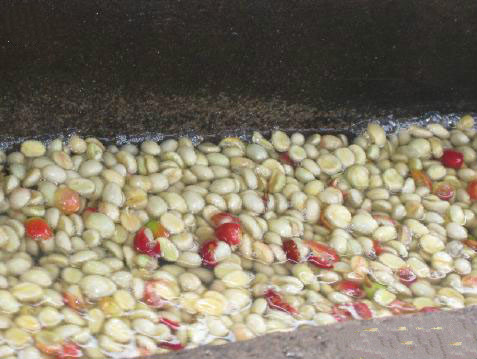
What is semi-washed Coffee beans semi-washed Coffee beans Refining semi-washed Yega Shevico
Sun drying: the sun drying method is also called natural drying because it uses natural sunlight to dry the fruits and raw beans of coffee. Due to the use of artificial and natural treatment methods in the process, the sun-cured beans look irregular and unflattering in appearance. Washing coffee bean treatment method Coffee beans harvested must immediately enter the treatment program, otherwise they will begin to ferment and make coffee

Introduction of water washing method for the treatment of high-quality coffee and raw beans
Coffee washing began in the mid-18th century. In the washing process, the pulp of the coffee fruit (red cherry) is first removed, then the residual mucous membrane on the inner pericarp is removed by a fermentation tank, and the beans are washed and dried. The difference between the non-washing method and the water washing method is that the non-washing method is to remove the pulp after drying, while the washing method is to remove the pulp before drying. Washing can pass every step.

Two methods of wet treatment and dry treatment in the processing of fresh coffee beans
Wet treatment requires the use of specific equipment and a large amount of water. When properly operated, it can ensure that the original quality of coffee beans is better preserved, producing homogeneous coffee beans with few bad beans. As a result, coffee beans produced in this way are generally considered to be of better quality and charge higher prices. Even after careful harvest, a certain amount of underdried and undercooked coffee

Advantages and disadvantages of sun treatment method, water washing method and semi-washing method
Professional coffee knowledge exchange more coffee bean information Please pay attention to the coffee workshop (Wechat official account cafe_style) washing treatment will remove the sticky pulp from the coffee beans before drying, so as to ensure that the drying process will not over-ferment or produce more mold, the cost of washing is higher than the sun treatment. The first step is to pour the coffee into the sink after picking and cook.

Coffee knowledge | what are the raw beans of Brazilian coffee?
Professional coffee knowledge exchange more coffee bean information Please pay attention to the coffee workshop (Wechat official account cafe_style) the four most common treatment methods of Brazilian coffee are: natural sun treatment, desizing treatment, semi-washing and water washing, of which natural sun treatment is the most popular. Due to the two main producing areas of Brazil, Serrado Minero (Cerrado Mineiro) and Mogiana Poly
Why is Costa Rican Coffee Honey Treated Popular?
Professional barista communication, please pay attention to coffee workshop (Weixin Official Accounts cafe_style) honey treatment method, called HoneyProcess or MielProcess, honey treatment is the method of drying the fruit with endocarp after peeling the pulp. Coffee gardens in Costa Rica, Panama and Guatemala all use it

What is the coffee wet planing method? wet peeling and washing process of coffee beans
The drying process in Coffee Workshop (official Wechat account cafe_style) seems simple: pick the fruit and put it in the sun until it changes from red to brown to close to black, then peel off the thick, dry outer layer, and the mung beans can be exposed in one step. This is a method suitable for arid areas, where

The processing method of high-quality coffee beans how to turn coffee fruits into coffee beans?
There are a pair of oval seeds in the center of the fruit of the coffee tree, which are covered with exocarp, endocarp and pulp. Ripe fruit will rot in a short period of time without treatment, so the purpose of refining is to enable coffee beans to be preserved for a long time, easy to store and circulate. Figure (1) Coffee fruit Coffee fresh fruit should be dealt with immediately after being harvested. Refining is to remove the peel and pulp of coffee fruit
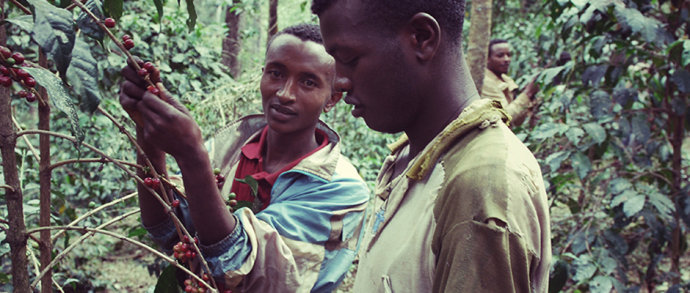
The harvest and processing flow and two basic processing methods of coffee beans in India and West Asia.
Picking: due to climatic differences, the harvest season is usually from September to March in the Northern Hemisphere and from April to August in the Southern Hemisphere. When the coffee beans are ripe, they can be picked. In many alpine slopes, coffee must be picked manually. In relatively flat producing areas such as Brazil, Australia and Hawaii, they can be picked by machines. These two methods

Taste characteristics of coffee beans Coffee Origin Coffee treatment method
The origin of the taste of coffee the taste of coffee varies according to different varieties of coffee, so the process of natural sun treatment is the simplest. The fruit begins the process of sun drying without treatment after picking. This is the oldest method of treatment in existence. This method is still used in places such as Ethiopia and Brazil. Natural solarization in the scarcity of water resources

Coffee grounds are always moldy when growing flowers? Coffee grounds are dried by quick drying method for 2 minutes.
Professional coffee knowledge exchange more coffee bean information please follow the coffee workshop (Wechat official account cafe_style) Taiwan's high-quality textile coffee grounds can also change clothes last time, the editor introduced to you the wonderful use of coffee grounds, but I guess many people still have a lot of questions! The most common question is how the coffee grounds dry after soaking, because after soaking, the wet coffee grounds cannot deodorize.

The difference between washing and sunning flavored coffee beans
The difference between washing method and sun method flavor coffee beans 1, bean selection: the harvested fruit into the tank filled with water, mature fruit will sink, and immature and overripe fruit will float up, can be removed. 2. Drying: Put the selected ripe fruits on the square for 5-6 days until they are fully dried. At this time, the fruit becomes dark brown, moisture content 13% 3,